OCD is a mental health disorder characterized by obsessive thoughts and significant anxiety. Discover how Deep TMS can help effectively treat symptoms of OCD. Obsessive-Compulsive Disorder is a mental health condition that causes a repetitive pattern of intrusive thoughts, including self-doubt and ...
Articles
Treatment-Resistant Depression with Deep TMS
If you have tried two or more antidepressants and still feel stuck, your depression may need a different approach. Medication travels throughout your body before reaching the brain, and sometimes it doesn't make a significant enough difference. Deep Transcranial Magnetic Stimulation (Deep TMS) uses magnetic ...
What to Expect During Your First TMS Session
Approximately 13% of individuals aged 12 and older struggle with some form of depression. This mental health condition causes intense feelings of sadness, loss of interest in things you once loved and can make it difficult to function properly at work, school or at home. While treatment can help you regain ...
How Ketamine and TMS Therapy Are Changing Neuro Rehab
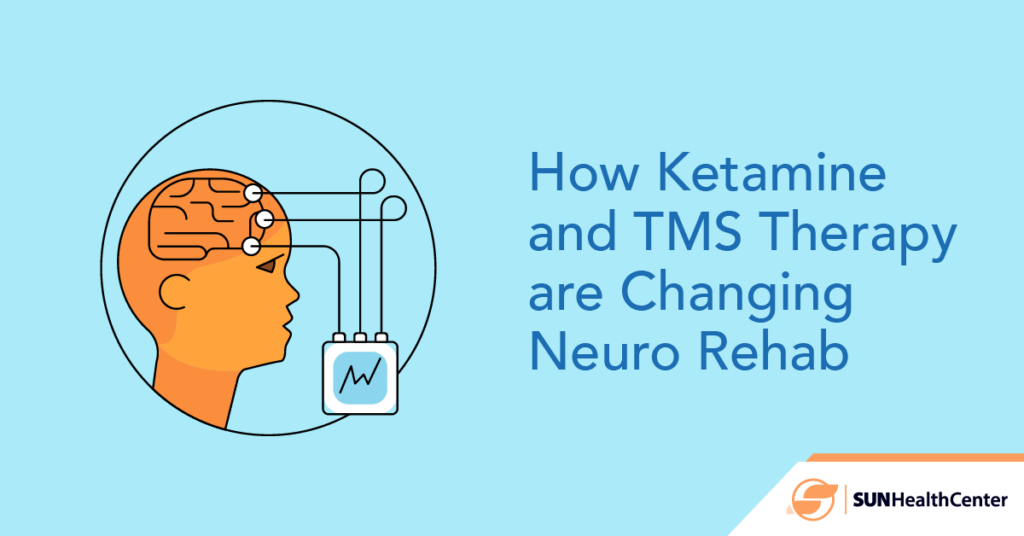
When medication and therapy aren't enough, it can feel like you've run out of options. But for people living with depression or similar mental health conditions, two treatments are changing what recovery looks like: ketamine therapy and transcranial magnetic stimulation (TMS). These treatments target the ...
Supplements for Anxiety: What the Research Actually Shows

Holistic medicine is a natural method for treating a wide variety of conditions, including anxiety. Browsing the internet or social media feeds, you likely see many supplements promising instant calm and relaxation. These include everything from ancient herbal remedies to newly legalized extracts. The ...
Sleep Paralysis ‘Demons’: What Science Actually Says About This Terrifying Experience
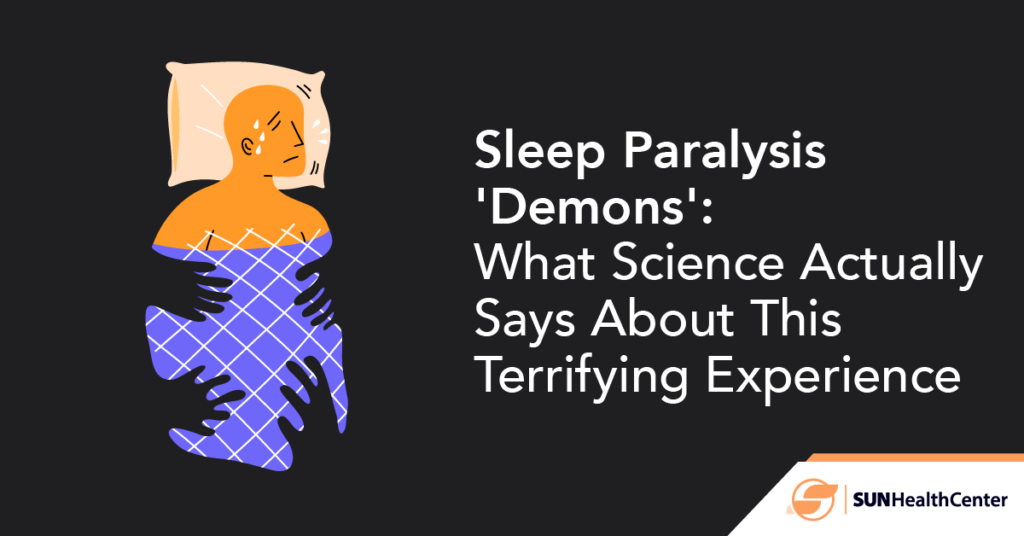
Sleep paralysis "demons" are a common hallucination that can occur during sleep paralysis. During this, the brain wakes up, but the body remains in REM sleep paralysis. People may see, hear or sense a presence in the room that feels threatening. While this can feel very real and frightening, it's harmless. ...
How Neurotherapy Can Improve Sleep by Training the Brain
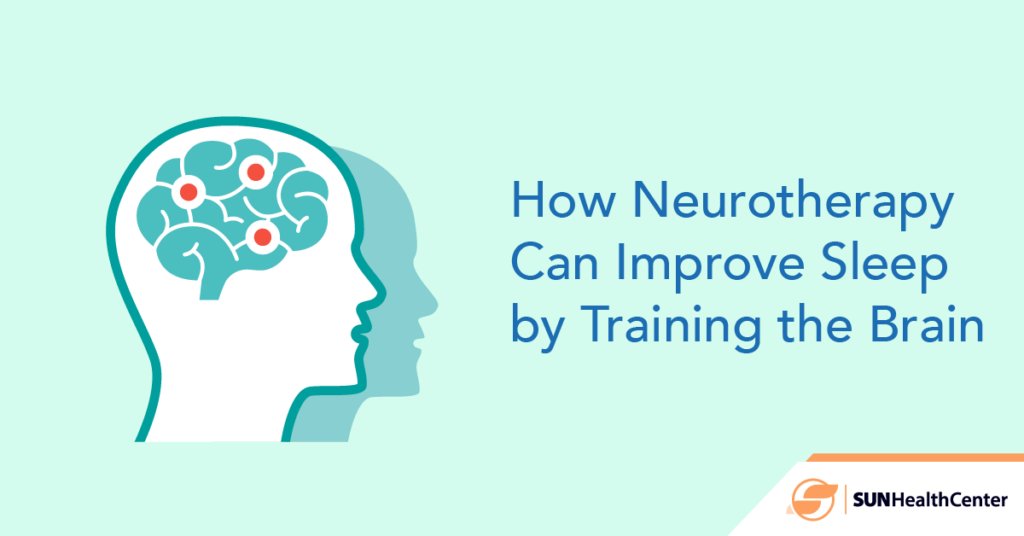
If you or somebody close to you suffers from chronic insomnia, it might seem like a habit problem. However, for many people, it's a brain-regulation issue, especially if the insomnia has been ongoing for long periods. Fortunately, there could be an answer. Neurofeedback for insomnia works by helping the brain ...
When You Can’t Fix your Sleep Problems
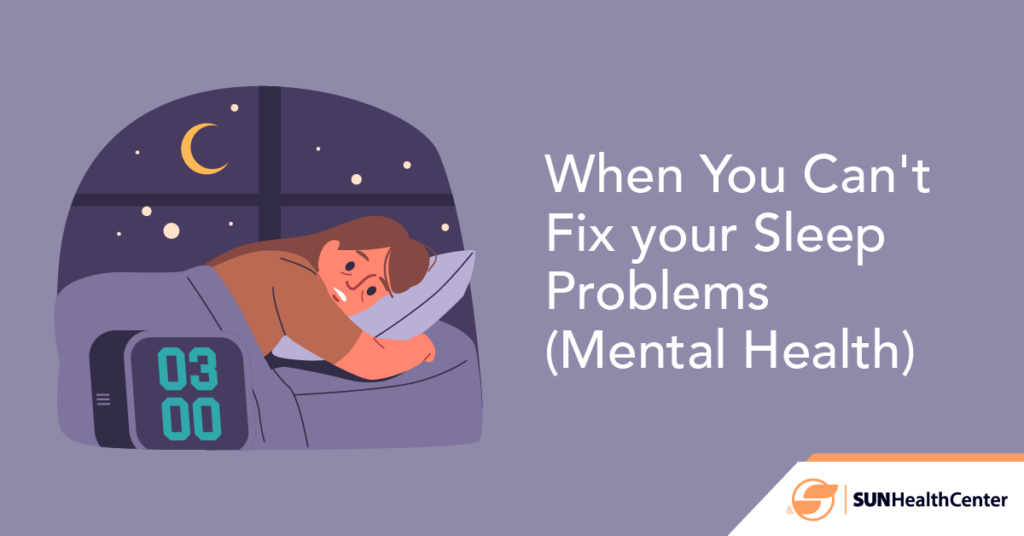
Struggling with lack of sleep can feel like a nightly battle you're supposed to win with better habits or stricter sleep routines. Many people are told to improve their sleep hygiene, and everything will fall into place. But when sleep problems persist for weeks, months and even years, the issue is often ...
Signs it’s time to do Neurological Testing for a Loved One
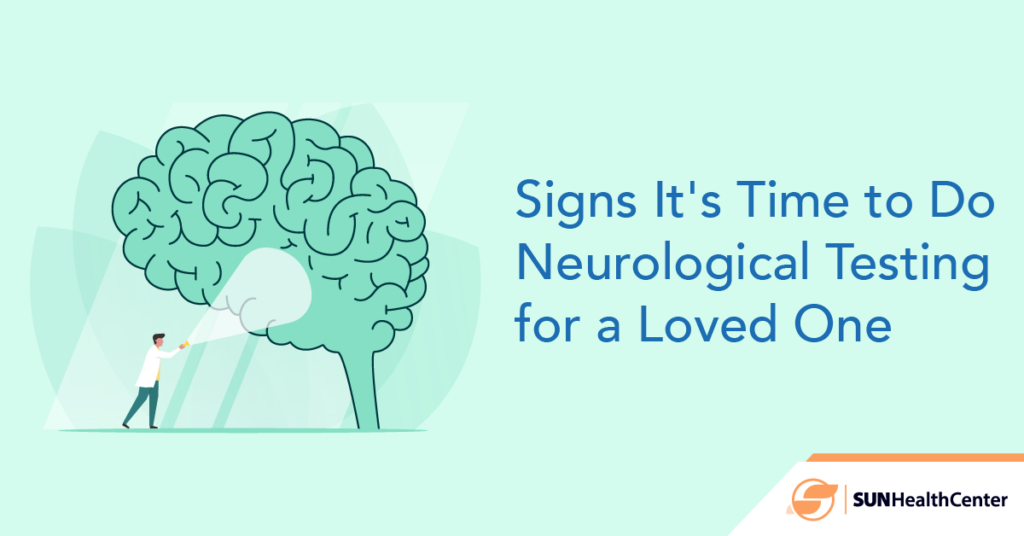
Noticing changes in a loved one's behavior, memory or movement can be unsettling. In some cases, these changes can indicate an underlying condition that needs medical attention. In this article, we highlight signs that can show you when to see a neurologist and the practical steps you can take to ensure your ...
What to Expect From a Neuro Treatment Session
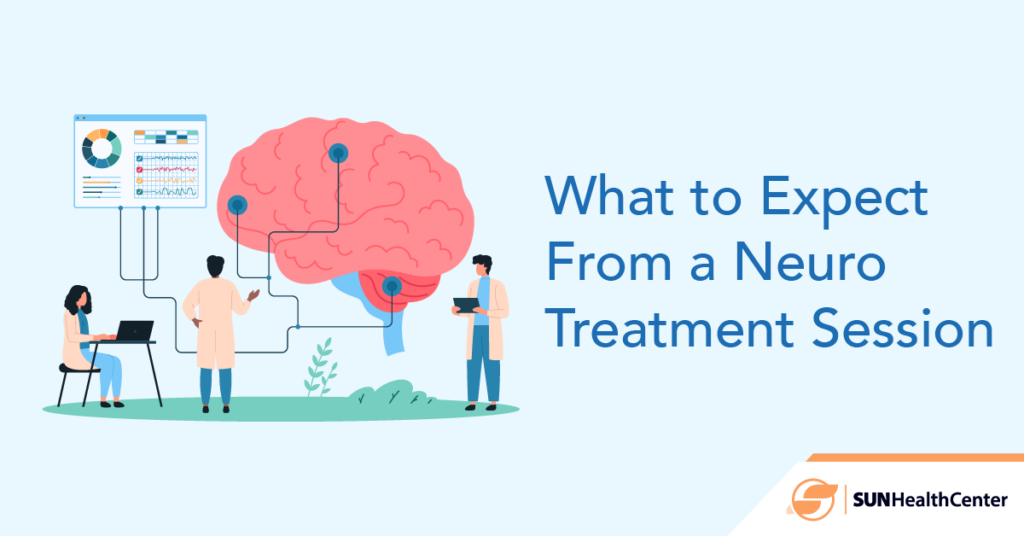
Brain-based therapies can feel intimidating if you've never experienced them before. Many people arrive with questions about what to expect in neurofeedback, how a neuro treatment session works and whether it will feel too technical. Sun Health Center's neurorehab program offers structured support to help you ...