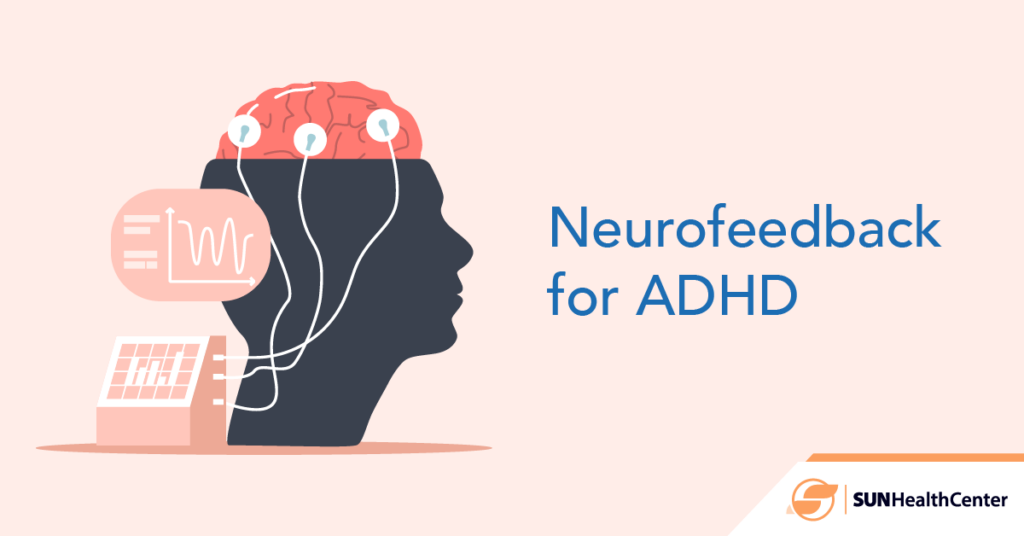
Neurofeedback is sometimes presented as an alternative to medication for managing symptoms of attention deficit hyperactivity disorder. Neurofeedback ADHD treatment is a brain-based therapy that’s gained attention in recent years as an option for managing symptoms. But what exactly is neurofeedback, and could it really help with attention, focus and impulse control? Let’s explore how this therapy works, what the research shows and whether it might be a good fit for your ADHD treatment plan.
What Is Neurofeedback ADHD Treatment and How Does It Work?
Neurofeedback is a kind of therapy that teaches your brain how to regulate itself. It’s similar to a brain-based workout session. Neurofeedback sensors are placed on your scalp to monitor your brain’s electrical activity. This information appears on a computer screen, often as a game or video.
This therapy is based on a simple reward system. When your brain produces the “right” kind of activity, you get positive feedback. The reward can be a sound, a visual reward or the video continuing to play smoothly. The feedback changes when your brain slips into less helpful patterns. Over time, your brain learns to stay in the more productive states on its own.
This technique is also called EEG biofeedback because it uses an electroencephalogram (EEG) to track brain waves. The therapy isn’t invasive and doesn’t involve any medications. You’re basically training your brain to function more effectively through repeated practice and positive reinforcement. Sun Health Center offers neuro therapy that can help.
How Neurofeedback Targets ADHD Symptoms
People with ADHD often have different brain wave patterns than people who don’t have it. Research has shown that many people with ADHD have more slow-wave activity (theta waves) and less fast-wave activity (beta waves) in parts of the brain. The imbalance can affect attention, focus and impulse control.
During neurofeedback ADHD treatment sessions, you might be rewarded when your brain increases beta waves or decreases theta waves. The idea is that by practicing, your brain can learn to maintain these healthier patterns.
This type of ADHD brain training targets the core symptoms many people struggle with. Better brain wave regulation may help improve your attention span, reduce hyperactivity and strengthen executive function skills like planning and organization. Some people also report improvements in emotional regulation and sleep quality.
Research on Effectiveness and Limitations
Some studies have found neurofeedback for ADHD can offer improvements in attention and behavior for some people. However, while neurofeedback may help with ADHD symptoms, more rigorous studies are needed to fully understand its effectiveness.
While the research is promising, several factors make it hard to draw firm conclusions. Many neurofeedback studies have been small, and some haven’t included proper control groups. Another question is whether the improvements come from the neurofeedback itself or from other factors, like the time and attention study participants receive during sessions.
The treatment appears to work better for some people than others, and scientists are still working to understand why. It’s also worth noting that neurofeedback requires a significant time commitment and multiple sessions before results start to show.
This therapy is generally considered safe with minimal side effects. Some people might report temporary fatigue or headaches after sessions, but serious adverse effects are rare.
What to Expect in a Session
During a typical neurofeedback session, you’ll sit in a comfortable chair while a practitioner attaches sensors to your scalp using a special paste or cap. These sensors don’t send signals into your brain. They only read the electrical activity your brain is producing.
Once everything is set up, you’ll watch a screen where you might see a video game, movie or other visual display. The program automatically adjusts based on your brain activity. Focus on the screen and try to keep the game going or the video playing smoothly.
It’s normal to need multiple sessions before you see results. A typical course of treatment might include 20 to 40 sessions over several weeks or months. Sessions usually happen two to three times per week. Your practitioners may ask you to come in more frequently at first and then taper off as you make progress.
During your first few sessions, expect your practitioner to do an initial assessment that maps your brain activity patterns. This helps them create a custom training protocol designed for your needs.
Who Is a Good Candidate for Neurofeedback?
Neurofeedback may be an option for children, teens and adults with ADHD. It’s often considered by people who want to avoid medication or are looking for additional support alongside their current treatment.
Neurofeedback is promising, but it isn’t right for everyone. It requires commitment and patience since results typically take weeks or months to show. It also involves a significant time investment. The cost can be a third barrier for some people, because insurance doesn’t always cover neurofeedback sessions.
Good candidates are usually people who can sit still long enough for sessions and who are motivated to stick with the full course of treatment. Very young children or those with severe hyperactivity might find it difficult to complete sessions effectively.
It’s also important to work with a qualified practitioner who has specific training in neurofeedback. Look for providers certified through a professional organization like the Biofeedback Certification International Alliance. A new provider should be willing to discuss their training, experience and approach with you before starting treatment.
Neurofeedback as Part of a Broader ADHD Treatment Plan
While some people try neurofeedback as a stand-alone treatment, it often works best as part of a broader approach to managing ADHD. This might include behavioral therapy, organizational coaching, lifestyle changes and possibly medication.
Learning time management skills and creating structured routines can work alongside neurofeedback to improve daily functioning. Regular exercise and good sleep habits also play important roles in managing symptoms.
Talk with your health care provider about how neurofeedback might fit into your overall treatment plan. They can help you weigh the potential benefits against the time and financial commitment involved and can also help you set realistic expectations and track your progress over time.
Find Comprehensive ADHD Support
You need to be patient when managing ADHD symptoms, because it often requires trying different approaches to find what works best for you. If you’re interested in learning more about neurofeedback or other treatment options, professional guidance can make a real difference.
At Sun Health Center, we understand that ADHD affects everyone differently. Our team can help you explore the various treatment approaches available to you and create a plan tailored to your needs. Whether you’re considering neurofeedback, therapy, lifestyle changes or a combination of strategies, we’re here to support your journey toward better symptom management. Contact Sun Health Center today to learn more about our ADHD treatment programs.