Adolescent Neuroscience Services
Advanced brain-based care for adolescents
When therapy and medication aren’t enough, neuroscience offers a different path forward.
Sun Health Center provides outpatient, non-invasive neuroscience treatment for children and adolescents — including FDA-cleared Deep TMS for teens 15 and older.
Treatment is individualized to how your teen’s brain is actually functioning, not to a diagnosis alone. Sessions are scheduled around school and family life. No sedation. No hospitalization. No time away from home.
Deep TMS
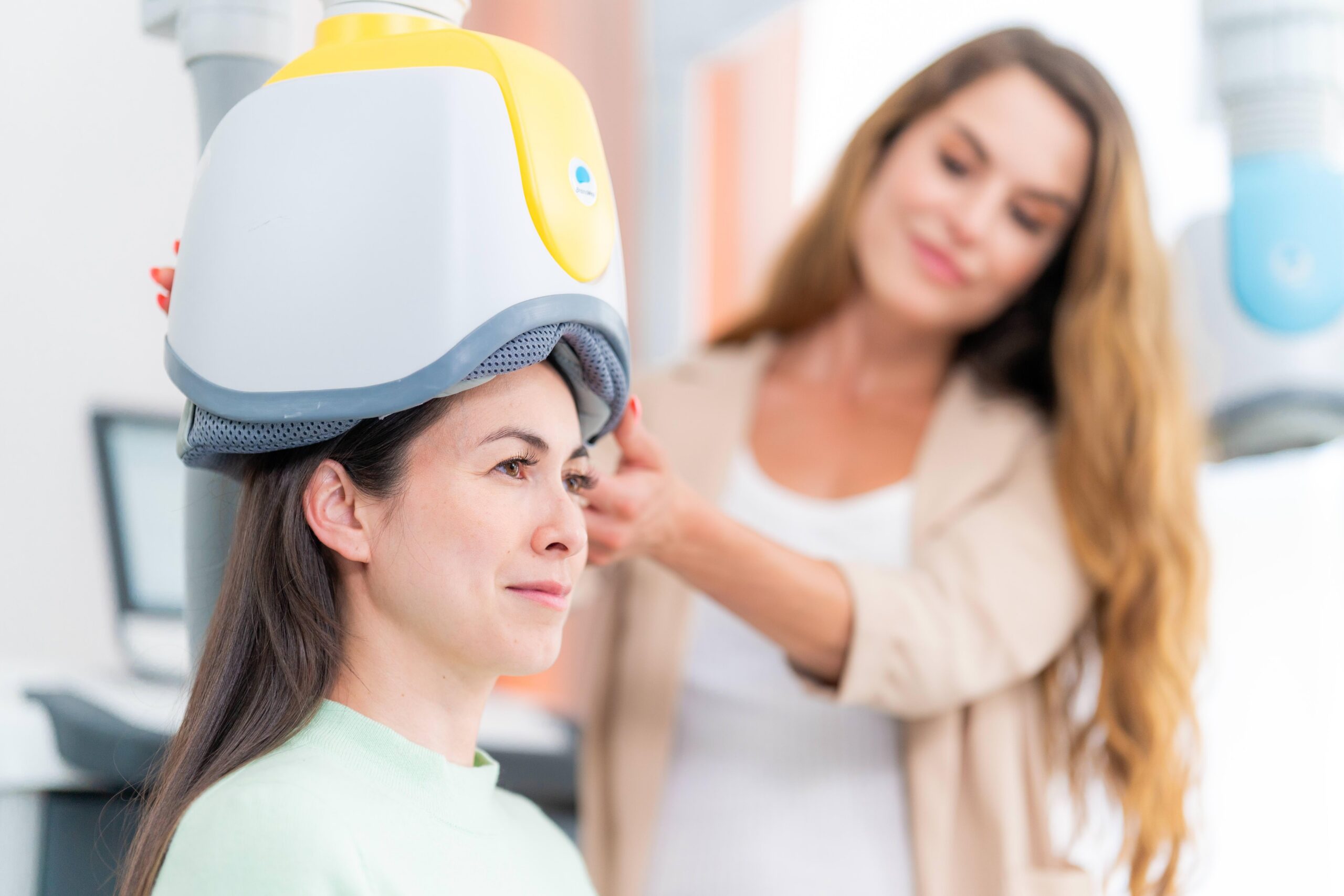
BrainsWay Deep TMS uses targeted magnetic pulses to stimulate the brain networks involved in mood regulation. Your teen stays awake and alert throughout and returns to school or normal activity immediately afterward.
For Major depressive disorder
Ages 15 and older
Cost Covered by many major insurance plans — we verify benefits and handle prior authorization
Consent Parental consent required under 18
Neuroscience therapies
qEEG brain mapping, neurofeedback, qEEG-guided neurotherapy, tVNS, and photobiomodulation — combined into a protocol built from your teen’s own brain map.
For Depression, anxiety, ADHD, autism, trauma, sleep, cognition
Ages Children through adolescents
Cost Typically self-pay or out-of-network — costs reviewed before anything begins
Consent Parental consent required under 18
What we treat
Conditions we treat in children and adolescents
We work with families when standard treatment hasn’t provided enough relief.
- Depression, including anxious depression
- Mood disorders and emotional dysregulation
- Anxiety disorders
- Obsessive-compulsive disorder
- ADHD and attention difficulties
- Cognitive challenges affecting school performance
- PTSD and trauma-related symptoms
- Adverse childhood experiences
- Sleep problems and sleep dysregulation
- Behavioral issues and emotional dysregulation
- Social difficulties and peer-relationship stress
- Autism spectrum and developmental disorders
Our approach
Treatment starts with data, not assumptions
The adolescent brain is still developing — which also makes it remarkably responsive to targeted intervention. Our treatments work with that natural neuroplasticity rather than against it.
Care begins with a quantitative EEG (qEEG) brain map: a safe, non-invasive measurement of your teen’s brain activity. That map tells us where regulation is breaking down, and it becomes the basis for a protocol built specifically for them.
We measure again as treatment progresses, so progress is something you can see rather than something you have to take on faith.
Sun Health Center is an outpatient clinic. We do not provide residential or inpatient care. Parental consent is required for all patients under 18.
Deep TMS · Ages 15+
Deep TMS for adolescent depression
Transcranial magnetic stimulation is a non-invasive treatment that uses targeted magnetic pulses to stimulate the brain regions involved in mood regulation. We use BrainsWay Deep TMS, which reaches deeper and broader brain networks than standard TMS through its H-Coil design.
BrainsWay Deep TMS is FDA cleared for major depressive disorder in adolescents aged 15 and older. Its clearance for OCD covers adults only.
- A standard course is up to 36 sessions, five days a week, over roughly six to eight weeks
- Each session takes about 20 to 30 minutes
- Your teen stays awake and alert — no sedation or anesthesia
- They return to school or normal activity immediately afterward
- Current therapy and medication continue — neither needs to stop
- The most common side effect is mild, temporary scalp discomfort or headache during the first week
- Deep TMS cannot be used with metal implants in or near the head — braces and dental fillings are fine
- Seizure is a rare but serious risk
- Full safety screening is completed before any treatment begins
Note Deep TMS is a prescription-only medical device. Individual results vary. Our provider will review full safety, contraindication, and risk information with you.
Neuroscience therapies · Children and adolescents
What’s in the neuroscience suite
These are non-invasive technologies used to assess brain function and deliver individualized treatment. They are particularly useful for complex presentations — autism, attention difficulties, anxiety, sleep dysregulation, and trauma.
- qEEG brain mapping
- A safe, non-invasive measurement of the brain’s electrical activity that produces a detailed map. It’s the starting point for treatment planning and the benchmark we use to track progress.
- Neurofeedback training
- Guides the brain toward self-regulation by responding to targeted visual or auditory cues. As the brain learns, areas of dysregulation normalize and symptoms ease.
- qEEG-guided neurotherapy
- Combines pulsed electromagnetic field (pEMF) and transcranial electrical stimulation, with protocols set by what the brain map shows rather than by diagnosis alone.
- Transcranial vagus nerve stimulation (tVNS)
- Non-invasive stimulation of the vagus nerve to support mood regulation, reduce stress response, and improve sleep.
- Photobiomodulation
- Uses specific wavelengths of light to support neurocellular healing and brain function.
Neuroscience therapies at Sun Health Center are clinically established, evidence-informed services. They are not FDA-cleared treatments. A clinical evaluation is required before services begin, and parental consent is required for all patients under 18.
Getting started
How it works
Seven steps from first phone call to final evaluation. Self-referrals and provider referrals are both welcome.
- Call or send an inquiryA brief, no-pressure conversation about your teen’s history and what you’re hoping to address.
- Clinical screeningWe review history, current treatment, and goals to determine which services fit and confirm eligibility.
- Insurance verificationFor TMS, we handle benefit verification and prior authorization, and confirm any out-of-pocket cost before treatment. Neuroscience therapy costs are reviewed at this stage too.
- Provider evaluationOne of our psychiatrists meets with your teen and with you to confirm clinical appropriateness, answer questions, and obtain informed consent.
- Brain map and first sessionTreatment begins with a qEEG brain map. TMS patients also complete motor threshold calibration at this visit.
- Treatment and monitoringSessions run on a consistent schedule. We track progress with standardized clinical measures and regular provider check-ins, adjusting as your teen responds.
- Completion and next stepsA final evaluation, a comparison against the original brain map, and personalized recommendations for continued care.
Cost and coverage
Insurance and financial information
Covered by many major insurance plans for eligible patients. Coverage is based on diagnosis, treatment history, and medical necessity criteria.
Coverage for patients under 18 varies by payer. We verify benefits specific to your teen’s age and plan, and handle prior authorization, before treatment begins.
Typically self-pay or out-of-network. We provide a clear cost discussion before any services begin.
Some families have partial out-of-network benefits — our team can help you understand what your plan offers.
For referring providers
Refer an adolescent patient
We accept referrals from psychiatrists, psychologists, therapists, pediatricians, neurologists, and school-based mental health professionals.
You remain the primary provider. We coordinate, communicate findings, and return patients to your care with clear clinical summaries.
What we need to start
- Referral form or brief clinical summary
- Current diagnoses and treatment history — medications tried, duration, response
- Current prescribing provider, if applicable
- Insurance information for TMS referrals
Available for adolescent referrals
- Deep TMS — FDA cleared for major depressive disorder, ages 15+
- qEEG brain mapping and neurotherapy assessment — children and adolescents
- qEEG-guided neurotherapy and neurofeedback — children and adolescents
- tVNS and photobiomodulation protocols — children and adolescents
For families
Common questions
Is TMS safe for teenagers?
BrainsWay Deep TMS is FDA cleared for major depressive disorder in patients aged 15 and older. It’s non-invasive, requires no sedation, and doesn’t cause the systemic side effects associated with medication. The most common side effect is mild scalp discomfort during the first few sessions, which typically resolves quickly. Every patient completes a full safety screening first.
Does my teen have to stop their medication or therapy?
No. TMS works alongside existing medication and therapy, and neither needs to stop. In many cases the combination works better than any single approach alone.
How much school will my teen miss?
Very little. Each session runs about 20 to 30 minutes, and most families schedule before or after school or during a free period. Your teen returns to normal activity immediately afterward.
How long before we see results?
Many families notice improvement within the first two to four weeks. Timing varies, and we monitor progress throughout so the protocol can be adjusted as needed.
Do we need a referral from a doctor?
Not to contact us. TMS is a prescription treatment and requires evaluation and sign-off by our psychiatrist. If your teen doesn’t currently have a prescribing provider, we can help coordinate that step.
My child is 15. Can they still receive services?
Yes. Children and younger adolescents are eligible for our neuroscience therapy services, including qEEG brain mapping, neurotherapy, and neurofeedback. Deep TMS begins at age 15. All services for patients under 18 require parental consent.
Does insurance cover this?
TMS is covered by many major insurance plans for eligible patients, though coverage for patients under 18 varies by payer. We verify benefits before treatment begins. Neuroscience therapy services are generally self-pay, and we discuss costs before you commit to anything.
Ready to take the next step?
We’ll answer your questions, review your teen’s history, and help you understand whether our services are the right fit. No pressure and no commitment at this stage — just a conversation.
Call (855) 459-0278 Refer a patient
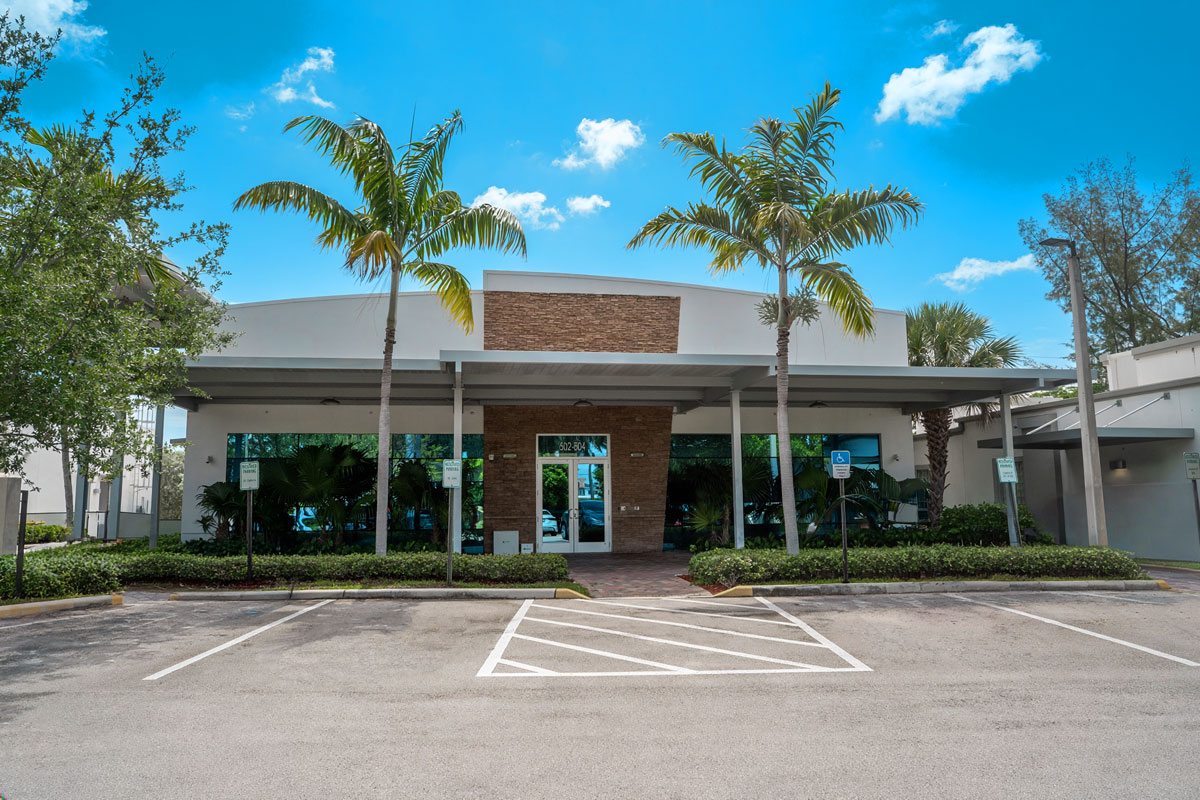
Sun Health Center is an outpatient clinic in Deerfield Beach, Florida, serving Boca Raton, Pompano Beach, Fort Lauderdale, Delray Beach, and Coral Springs. We do not provide residential or inpatient services. Parental consent is required for all patients under 18.