Veterans & First Responders
Brain-based care for veterans and first responders
Outpatient treatment for trauma, brain injury and operational stress — built around the pressures of service, and around your schedule.
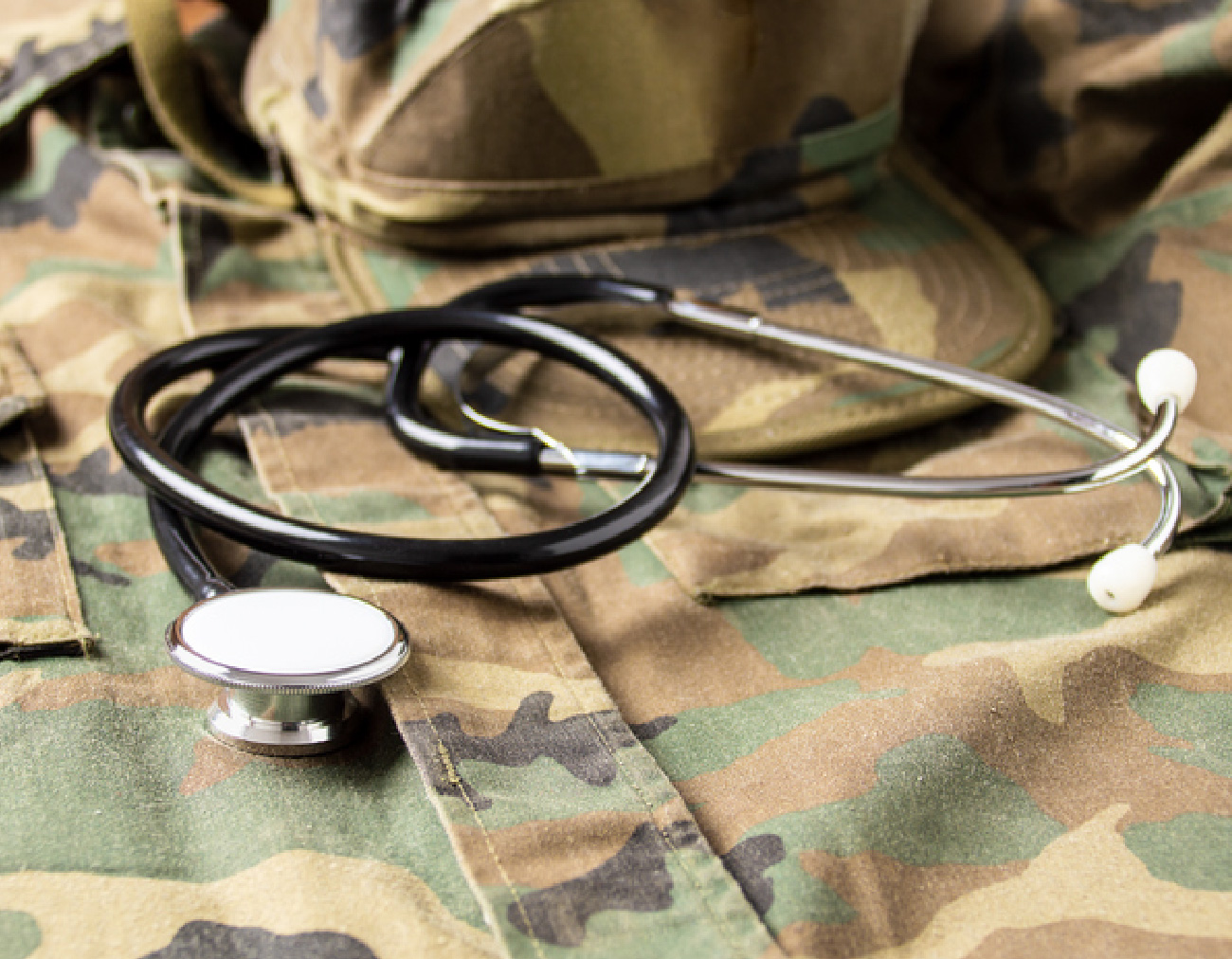
Experiences like combat and repeated trauma can keep your mind and body on high alert. At Sun Health Center, our outpatient care for veterans and first responders is built around these specific pressures.
We start by looking at how trauma, traumatic brain injury (TBI), nervous system regulation and emotional health interact — then build a treatment plan that fits your symptoms and your schedule.
If you are in crisis right now, call or text the Veterans Crisis Line at 988 and press 1, or text 838255. Available 24/7 to all veterans, service members, National Guard and Reserve — whether or not you are enrolled in VA care. If you are not a veteran, call or text 988 for the Suicide & Crisis Lifeline.


What we’re seeing
The unique burden carried by veterans and first responders
Veterans and first responders deal with stress that most people never face. Sometimes one critical event has a lasting impact. More often, symptoms build after repeated exposure to injury, loss, violence, disaster and impossible decisions.
The mind may stay in operational mode long after the shift or deployment ends. You may scan every room, wake at the slightest noise or feel unsafe in ordinary situations. Irritability, numbness and isolation can reflect a nervous system trained to stay ready for danger at all times.
14% & 24%
Among the 5.8 million veterans who received VA health care in fiscal year 2024, about 14% of men and 24% of women were diagnosed with PTSD.
Source: VA National Center for PTSD
1.39×
Research cited by NIOSH found EMS providers are roughly 1.39 times more likely to die by suicide than the general public.
Source: NIOSH Science Bulletin
The gap
Why traditional treatment often falls short
Veterans and first responders often feel that providers do not fully understand service culture. A therapist may know trauma well but have little experience with combat, shift work, command structure or survivor’s guilt.
Standard care also tends to address one diagnosis at a time, which can miss how PTSD, TBI, depression, chronic pain and sleep disruption overlap and feed one another.
Then there is the schedule. Rotating shifts, court dates and duty obligations make a standing weekly appointment hard to keep. And many people worry, reasonably, about what seeking care might mean for their career.
Our approach
A brain-first assessment, not a diagnosis label
Rather than starting from a diagnosis label, we assess how trauma, injury history, sleep, mood, cognition and nervous system regulation interact — and where the most useful place to intervene actually is.
Your plan should reflect your symptoms, history, goals and responsibilities. A veteran with PTSD symptoms and a history of blast exposure needs a different plan than a paramedic managing cumulative trauma and chronic sleep disruption.
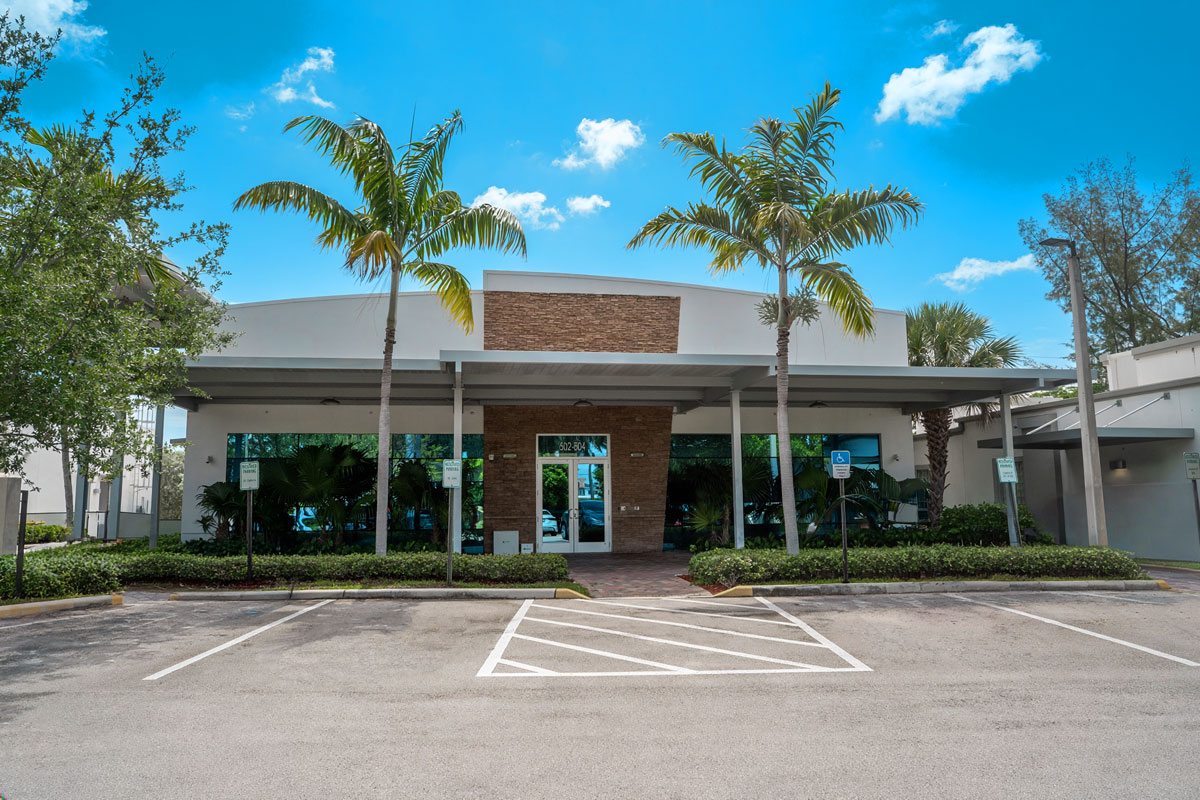
All of our services are delivered in person at our Deerfield Beach facility, in one location. Treatment does not ask you to forget what happened. It helps your brain and body respond to the present rather than react as though the emergency is still happening.
Sun Health Center is an outpatient clinic. We do not provide residential or hospital-based treatment.
Level of care
Outpatient care built around your schedule
Outpatient treatment means structured care while you continue living at home. You keep your connections to family, work and community. For most veterans and first responders, this is the more practical and less disruptive way to get help.
We schedule by appointment, so the gap between deciding to seek help and being seen is short. Outpatient care also lets you practice what you learn — stress regulation, sleep hygiene, symptom management — in the environment where you actually need it.
The right level of care depends on safety and daily functioning. Some people need a more intensive level of care than an outpatient clinic provides; Sun Health Center does not offer residential or hospital-based treatment, and if that is the safer starting point, we will tell you directly and help connect you with an appropriate provider. Your initial assessment is where we sort that out.
What we see
Conditions we see in veterans and first responders
Repeated exposure to trauma and high-pressure situations tends to produce overlapping conditions rather than a single tidy diagnosis. Naming each one helps build a plan that addresses the full picture.
Post-traumatic stress disorder
PTSD can bring intrusive memories, nightmares and a constant sense of being on edge. Treatment aims to reduce those symptoms and give you back a sense of control.
Traumatic brain injury
TBI can follow a blast, a vehicle accident or a blow to the head. Symptoms include headaches, dizziness, light sensitivity, memory problems, mood changes and disrupted sleep. We account for TBI history in your assessment because it changes how other symptoms should be interpreted.
Depression
Depression can look like sadness, exhaustion, detachment or lost motivation. Continuing to function at work does not mean you are fine.
Operational stress injuries
Psychological harm tied directly to service — cumulative trauma, moral injury, burnout — that may not meet criteria for a formal diagnosis but still needs attention.
Our services
What treatment can include
Every plan starts with a clinical assessment. What follows depends on what that assessment finds — not on a standard package.
Psychiatric evaluation and medication management
Care begins with a full psychiatric evaluation by our medical team, covering symptoms, service and injury history, sleep, current medications and prior treatment. This is where we determine which services are clinically appropriate for you, and whether any of them are appropriate at all.
Deep TMS
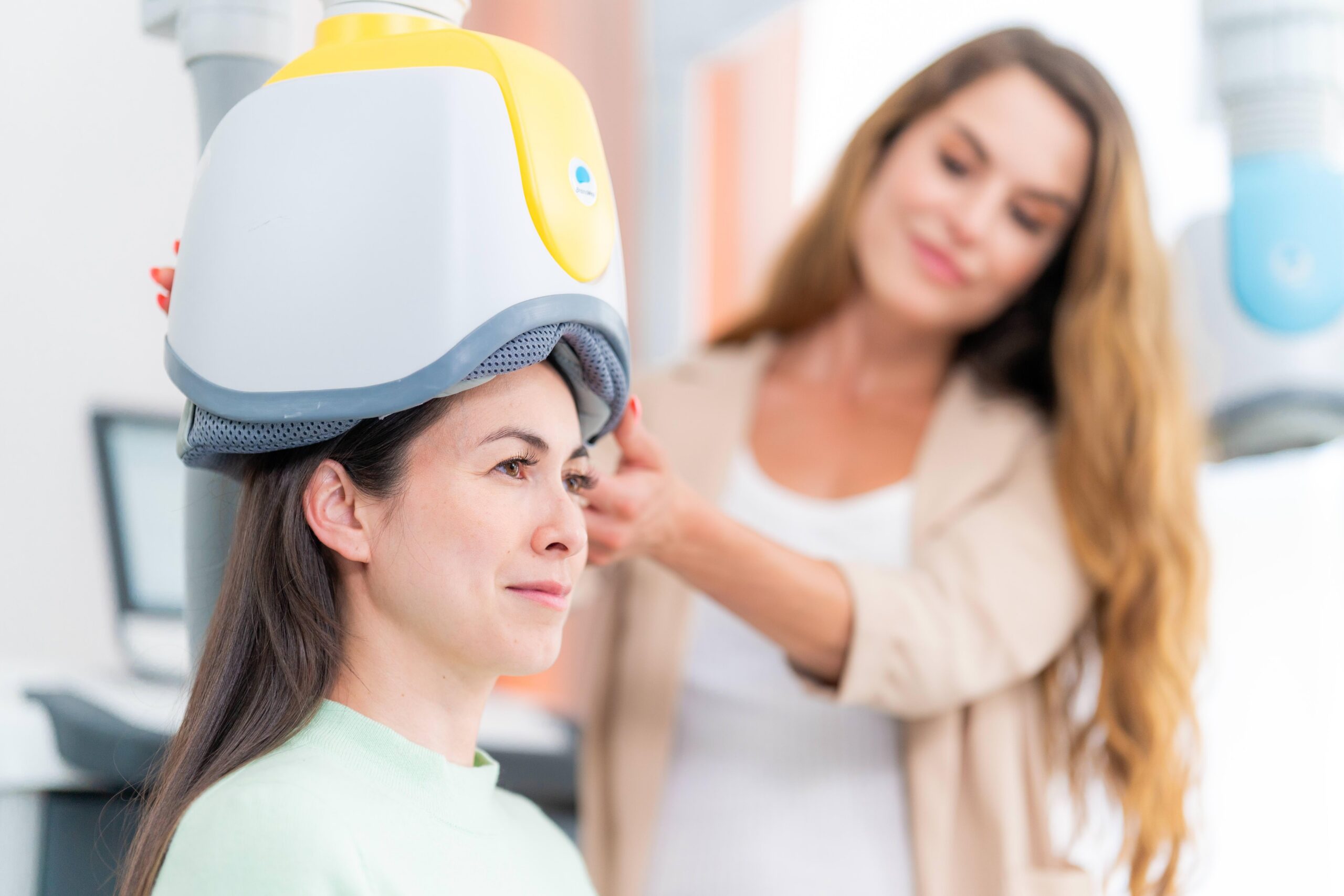
Deep transcranial magnetic stimulation uses focused magnetic pulses to stimulate brain regions involved in mood regulation. It is non-invasive, requires no anesthesia and no sedation, and you drive yourself home afterward.
Clearance The BrainsWay Deep TMS system we use is FDA cleared for major depressive disorder and obsessive-compulsive disorder in adults. It is not FDA cleared for PTSD or for traumatic brain injury.
Note Because depression frequently co-occurs with PTSD in this population, Deep TMS may be appropriate as part of a broader plan — that determination is made individually by our psychiatric team during evaluation.
IV ketamine infusion
Ketamine infusion therapy is offered to adult patients only, under continuous medical monitoring in our infusion suite.
Regulatory status Ketamine is an FDA-approved anesthetic. Its use for depression and related conditions is off-label, meaning it is prescribed at clinical discretion outside the indication for which it was originally approved.
Note Candidacy, dosing and monitoring are determined by our medical team, and it is not appropriate for everyone.
qEEG brain mapping and Neuro Therapy
Our Neuro Therapy program begins with a qEEG brain map — a recording of your brain’s electrical activity that shows how your networks are actually functioning, rather than relying on symptom report alone. That map informs a neurofeedback and neuromodulation protocol built for your specific pattern. A nervous system stuck in a high-alert state often shows up clearly on a brain map even when symptoms are hard to put into words.
Clearance Neurofeedback and neuromodulation are evidence-informed approaches and are not FDA cleared for the treatment of PTSD, TBI or any other condition named on this page. We offer them as part of a broader clinical plan, not as a standalone cure.
The mechanism
The brain science behind recovery
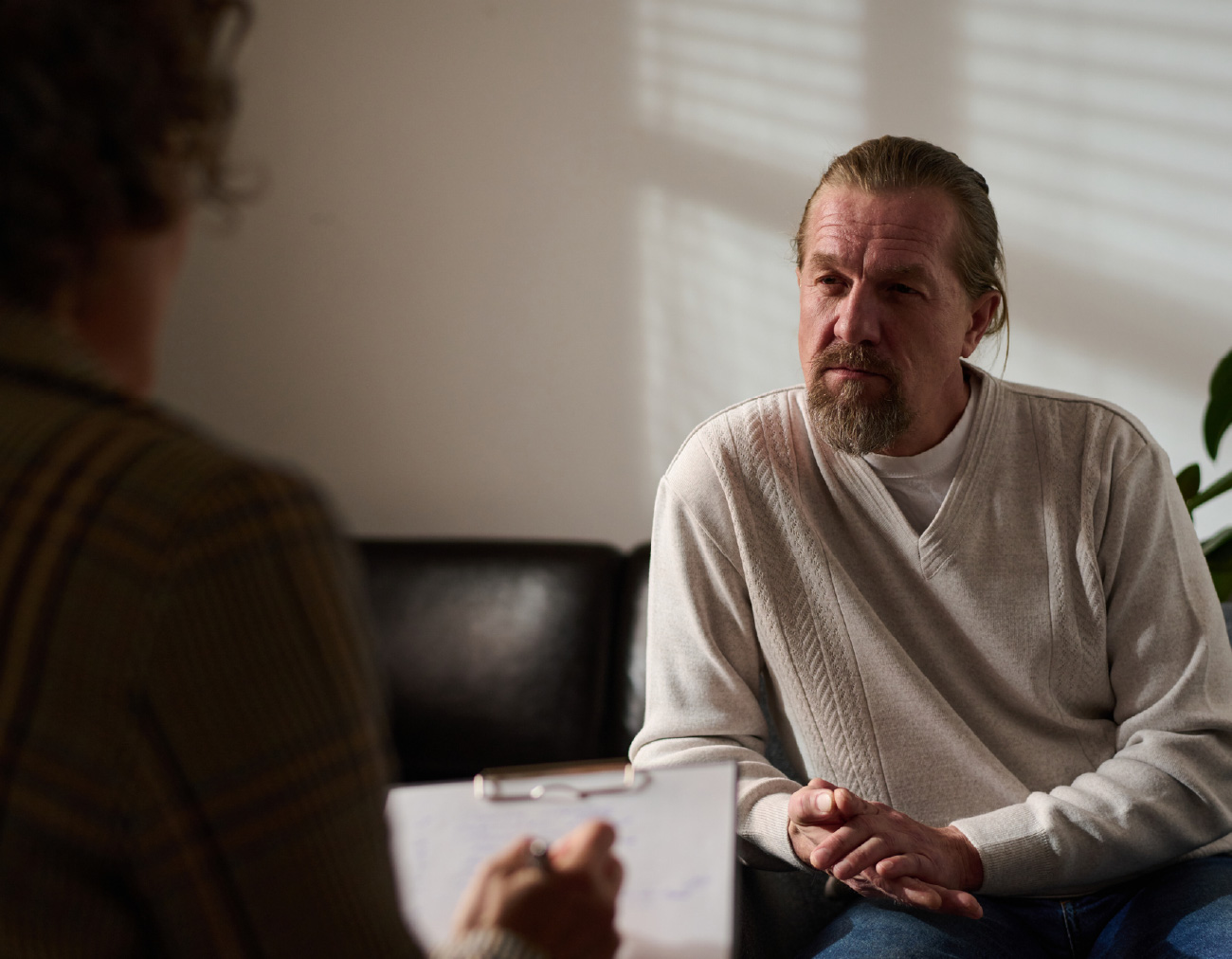
Trauma affects more than memory. It changes how the brain detects threat, interprets ambiguous events and regulates emotional response. This is why you can know intellectually that a room is safe and still be unable to stop scanning it — the threat-detection circuitry is running ahead of conscious reasoning.
Recovery is largely about helping those systems calibrate more accurately. Trauma-focused psychotherapy processes the memory itself and reduces avoidance. Skills-based work improves emotional regulation, sleep and daily functioning. Neuroscience-based interventions can support regulation directly when clinically appropriate.
TBI adds a complicating layer, because PTSD and brain injury produce overlapping effects on concentration, mood, sleep and memory. A brain-focused assessment lets our clinicians consider both rather than assuming every symptom traces to the same cause.
Privacy
Confidentiality and a culture that understands service
Many veterans and first responders worry about what seeking care means for how colleagues and supervisors see them. Respectful care starts with listening without judgment. You should never have to prove your symptoms are real.
Sun Health Center is a private outpatient clinic, and your records are protected under HIPAA. We do not share your treatment information with your employer, your department or the VA without your written authorization, apart from the narrow circumstances the law requires of every medical provider. Some agencies have their own fitness-for-duty requirements that may involve disclosure on your end — we will explain exactly what we do and do not share, and what our confidentiality limits are, before you begin care, so you can make an informed decision.

Cost and coverage
Insurance
Coverage varies by plan, service and medical necessity. Our team will verify your benefits at no cost and walk you through what your specific plan does and does not cover before you commit to anything.
You will know what your plan covers, what it does not, and what any out-of-pocket cost would be before treatment begins. No one starts care here without that conversation first.
Common questions
What people ask before they call
Do I need a PTSD diagnosis before contacting Sun Health Center?
No. You can request an assessment for nightmares, anxiety, anger, numbness, sleep problems or trouble concentrating. Part of what the evaluation does is figure out what is actually driving those symptoms.
Can I receive treatment while continuing to work?
Yes. Outpatient care is designed for people who live at home and have daily responsibilities. Scheduling depends on which services you need, and our team can work around shift patterns and duty obligations.
Can Sun Health Center address both PTSD and TBI symptoms?
Our assessment covers trauma exposure, head injury history, mood, cognition, sleep and physical symptoms together before any treatment plan is built. Where a TBI requires neurological or rehabilitative care beyond our scope, we will say so and refer.
Is treatment only for combat veterans and frontline responders?
No. We treat veterans from any branch and any role, and public safety professionals across all service settings.
Do you treat adolescents?
The services described on this page are for adults 18 and older.
Treatment tailored to service members
You do not have to manage trauma or operational stress on your own. Call Sun Health Center to talk through outpatient care for veterans and first responders. You deserve care that honors your service and takes seriously how your brain has adapted to it.
If you are in crisis, call or text the Veterans Crisis Line at 988 and press 1, or text 838255. If you are not a veteran, call or text 988 for the Suicide & Crisis Lifeline. If there is immediate danger, call 911.
Sun Health Center is an outpatient clinic in Deerfield Beach, Florida, serving Boca Raton, Pompano Beach, Fort Lauderdale, Delray Beach and Coral Springs. We do not provide residential or inpatient services.